
How experience becomes a competitive advantage
Pillar: Strategic Thinking
Most CFOs cannot tell you what a great event is worth. They can tell you exactly what one costs.
That asymmetry has shaped the events industry for two decades. When a budget gets tight, events are among the first lines that take a hit, because the value side of the equation has historically been told in soft language: engagement, brand, energy, buzz. Soft language gets cut.
The companies that have figured out how to attach real numbers to live experience have stopped treating events as a marketing expense. They treat them as a competitive advantage. The difference shows up on the balance sheet.
The four real returns
A well-designed event produces four kinds of return. Three of them are directly measurable. The fourth is provably correlated with the first three. Treat them as line items rather than a vague sense of momentum, and the math gets clearer fast.
- Pipeline. Qualified meetings the host would not otherwise have had.
- Retention. Customer relationships that deepen because of time spent together in the room.
- Recruiting. Candidates who decide to take the call because they were in the audience.
- Reputation. Stories that travel for months after the event ends and bring the first three back the following year.
Why experience compounds
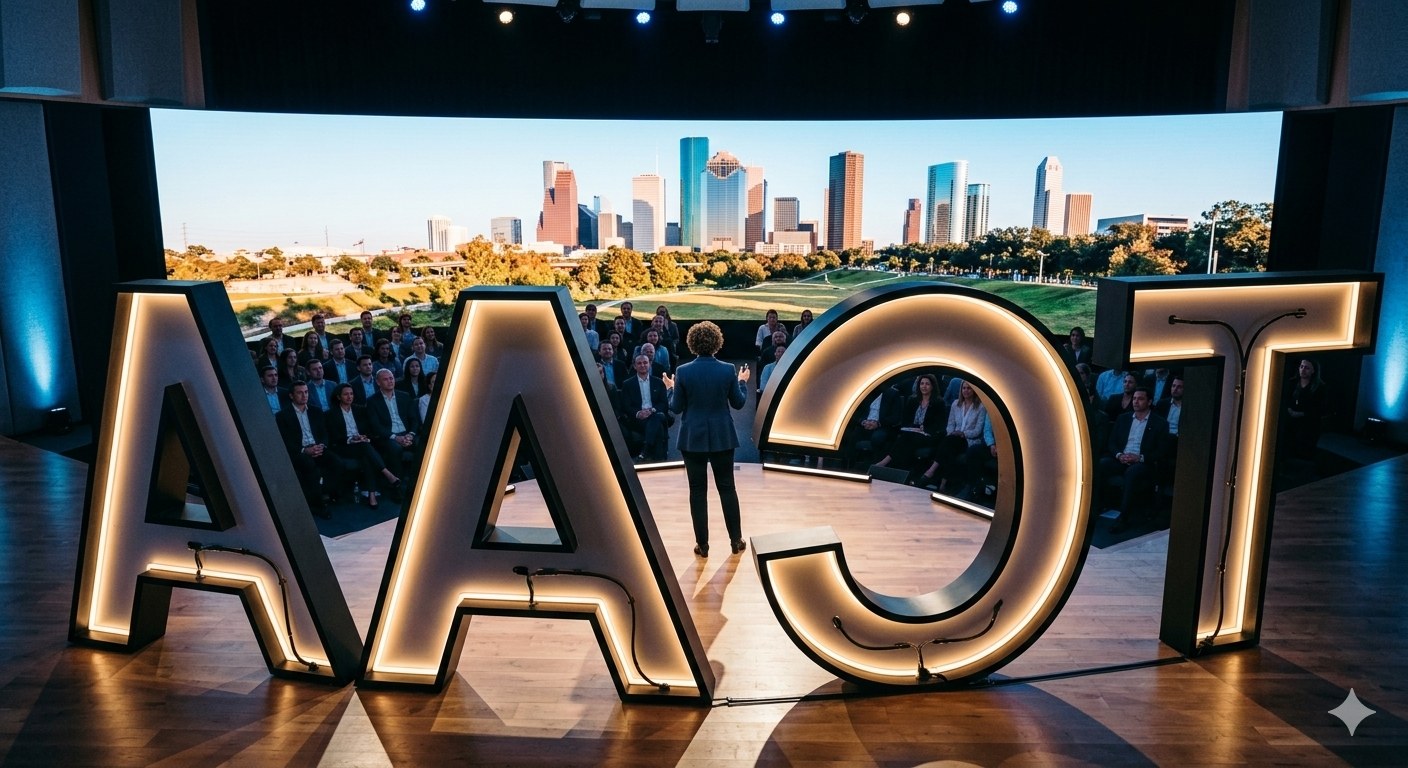
Most marketing spend is rented. You stop the spend, the return stops. Experience is different. A guest who had a meaningful encounter at a private dinner remembers it for years. The relationship that started in that room continues to compound in deals, referrals, and trust long after the venue is closed up.
This is the part the spreadsheet usually misses. The cost is in the period the event is held. The return is spread across the next thirty-six months. If you only measure the quarter the event happened, you will conclude every event lost money. Look at the multi-year relationship, and the picture inverts.
The thirty-six month rule
- Most event spend is booked in one quarter.
- Most event return arrives across the following twelve quarters.
- A single-quarter ROI lens makes every event look unprofitable.
- A multi-year lens, with attribution to specific introductions, is the only honest measurement.
The hosts who win
The brands and operators producing the highest return on experience share a small set of habits. They define the outcome before they choose the format. They invest more in fewer guests. They follow up like the event was the start of the relationship, not the climax. They treat the production budget as a creative budget, not a cost line, and they cut anything from the run of show that does not earn its place against the desired outcome.
They also measure. Attribution for events is harder than for digital channels but it is not impossible. The host who tags every introduction, tracks every follow-up meeting, and watches what closes over the next four quarters can defend the spend without raising their voice.
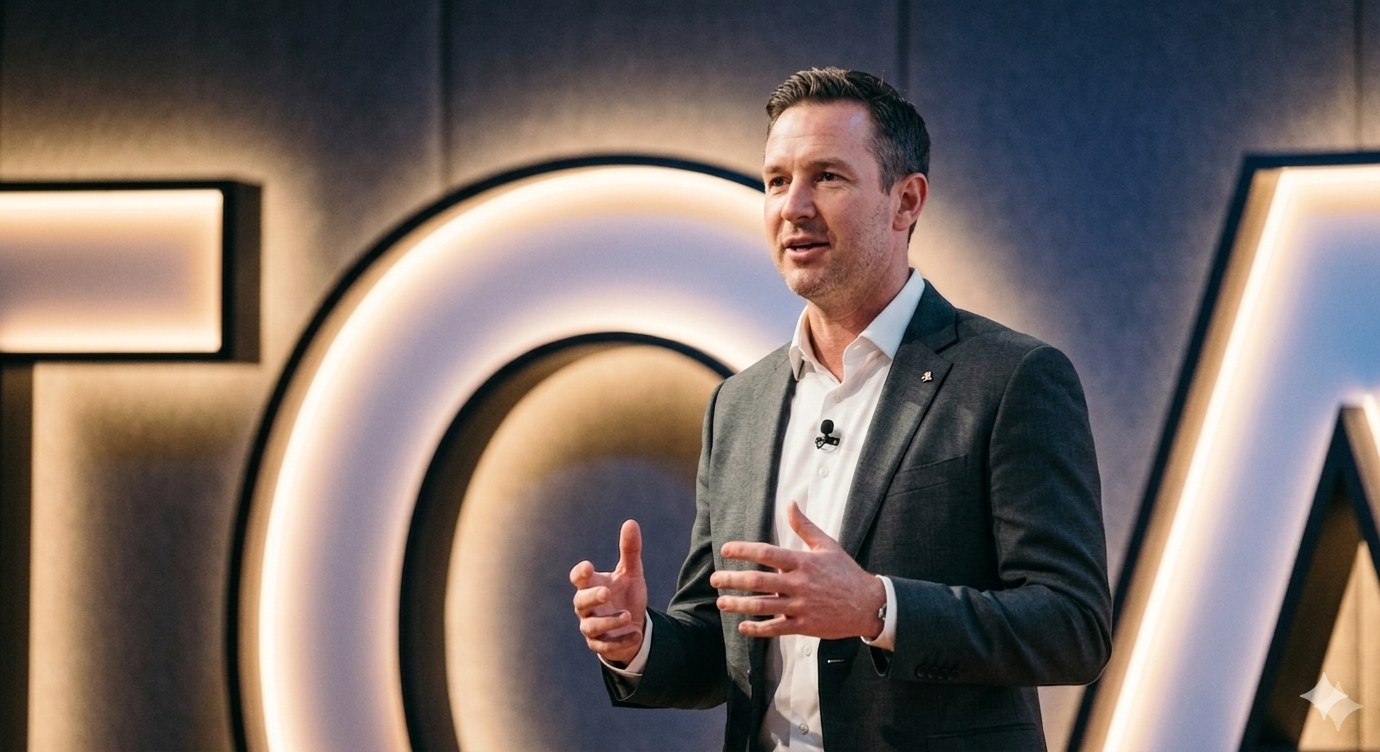
A competitor cannot copy your event simply by spending more. The room you build with your customers is yours.
Reframing the conversation
The CFO pushback on experience is rarely irrational. It is a response to soft data. The way to win the argument is not to fight harder for the budget. It is to bring back numbers the CFO recognizes:
- Pipeline created and the dollar value attached to it.
- Deals that closed faster because of an introduction made at the event.
- Customers who renewed at higher tier after attending.
- Hires made within ninety days of meeting the candidate in the room.
The competitive moat
Experience is one of the few channels left where a competitor cannot copy you simply by spending more. The room you build with your customers is yours. The trust the room produces is yours. The follow-through that compounds over years is yours. Treat all of that as the asset it is, and the return follows.
Up next in this series: for the design discipline that produces this kind of return, see The Rise of the Event Architect. For the conditions that make the room itself worth their time, see The Power of the Right Room.
At TCAA, we work with the leaders at the top who expect nothing less than the power of the right room.