
Pillar: Leadership Identity
Most executives have sat through hundreds of meetings, conferences, offsites, and panels over the course of a career. If you ask them to name the ones that actually changed something, that produced a decision, a partnership, a turn in strategy, they can usually count them on one hand.
The difference is rarely the agenda. It is almost never the speakers. It is the room.
A room is not a venue. A room is a set of conditions: who is in it, what they are prepared to do, and what the space invites them to be. The right room produces outcomes a wrong room cannot, no matter how well-funded the production or how well-known the keynote. This is the most under-priced lever in modern event design, and the executives who understand it are the ones whose convenings get talked about long after the lights come up.
What a room actually is
When we talk about the right room, we are not talking about the ballroom, the green room, or the boardroom. We are talking about the deliberate construction of three things at once: composition, atmosphere, and permission.
Composition is who is in the room. Atmosphere is what the space and format invite people to do. Permission is the unspoken contract about how candid, how brave, and how generous people will be with one another inside it.
Get any one of these wrong and the most expensive event in the world will produce a polite exchange of business cards. Get all three right and a room of twenty can shift an industry.
Composition is design, not logistics
Most events optimize for attendance. They count heads, sell tickets, fill seats. The right room optimizes for adjacency, who sits next to whom, who shares a meal, who is in a small group when the question gets harder than the slide.
This is design work, not logistics. It requires understanding why each person is in the room and what they need from being there. A CFO who is two months away from a major decision is in a different room than a CFO who is wide open. A founder looking for a co-investor is in a different room than a founder looking for a buyer. When the composition is built around real intent rather than impressive titles, the conversations move with extraordinary speed.
The most effective hosts spend more time on the guest list than on the agenda. They will turn down sponsorship dollars rather than dilute the room. That is not gatekeeping for its own sake. It is protecting the conditions that make the room valuable to everyone in it.
Atmosphere sets the tempo
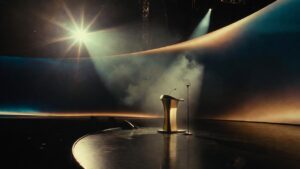
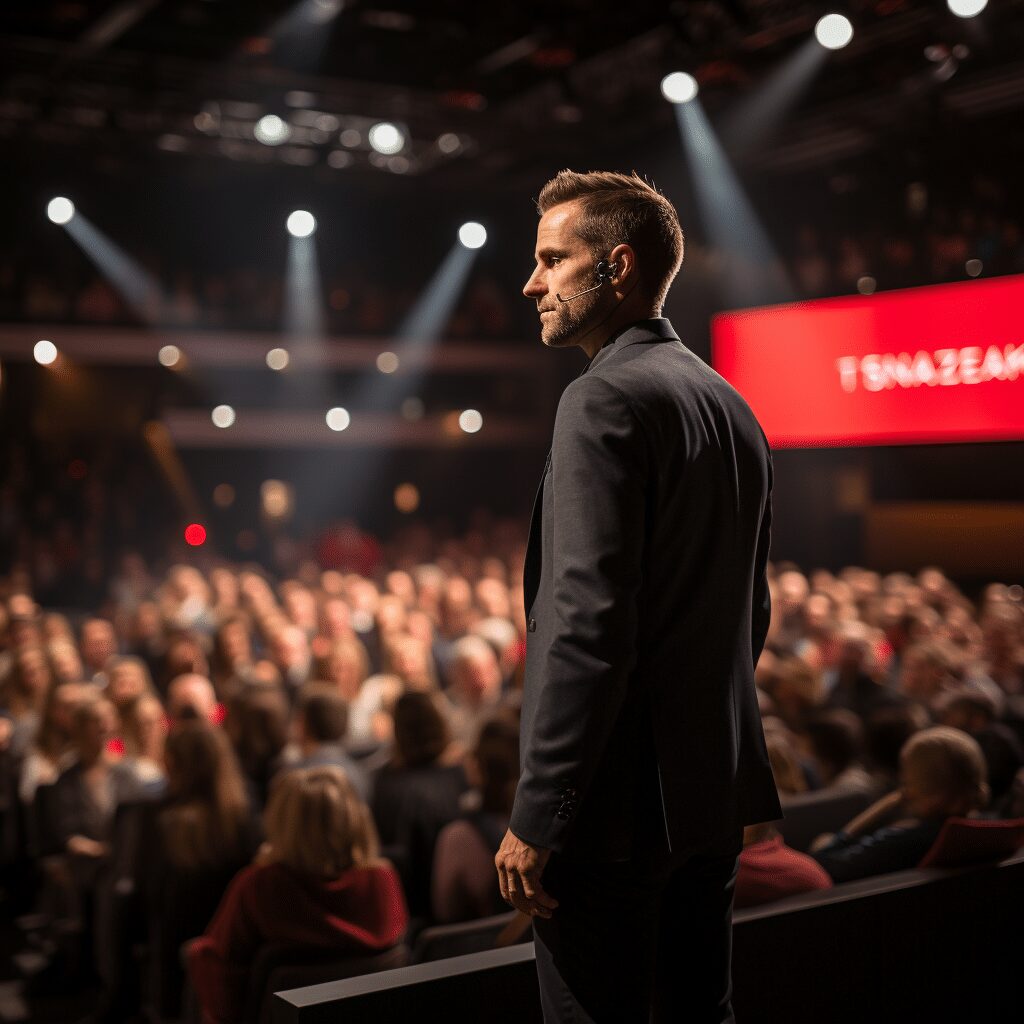
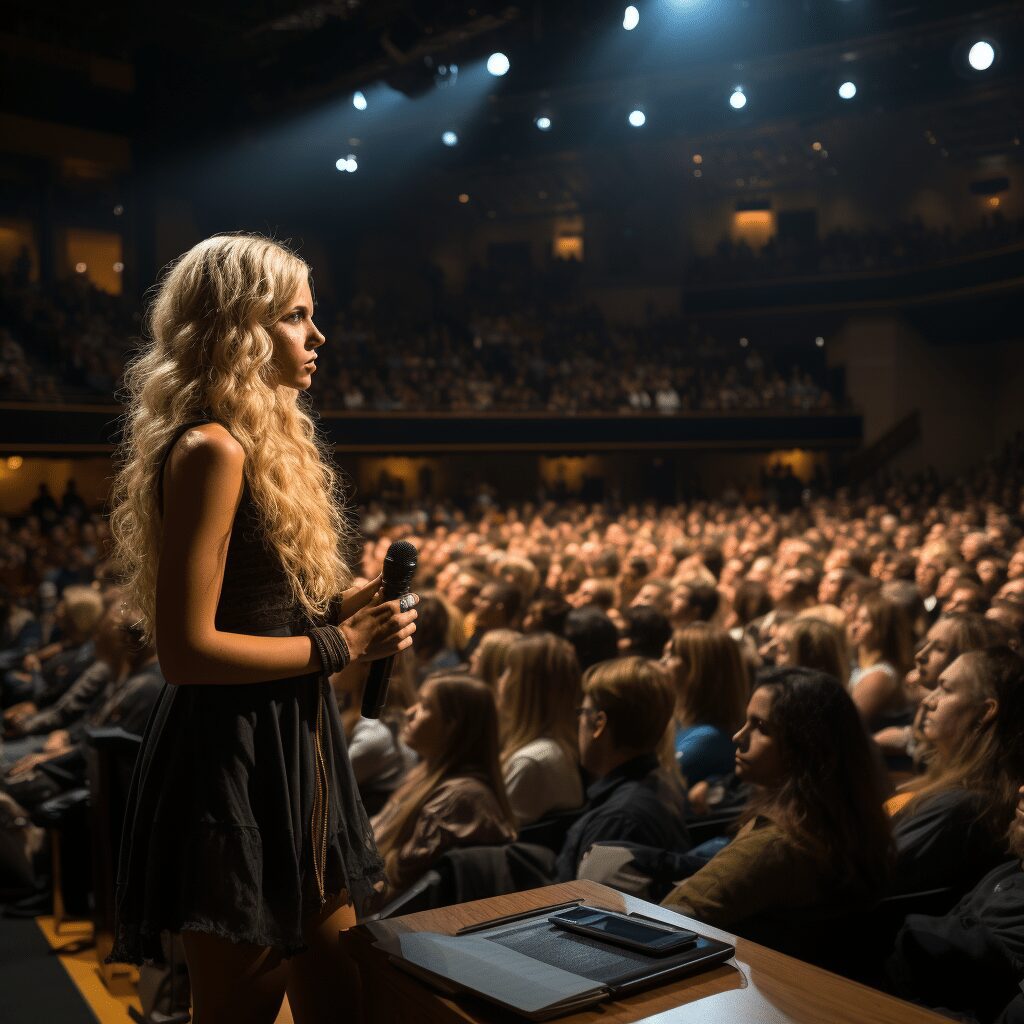
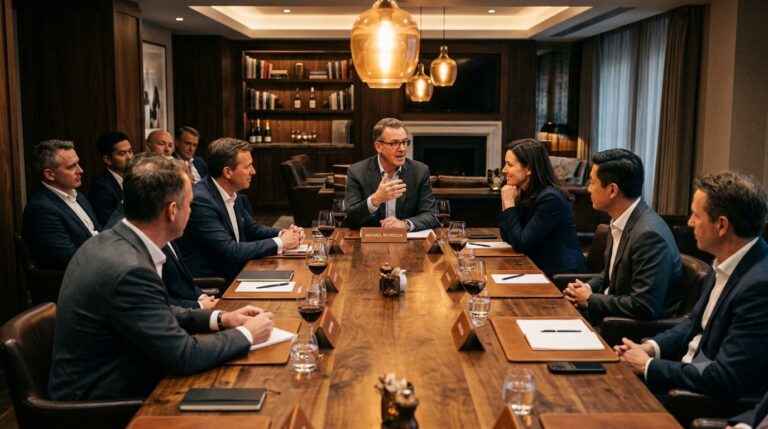
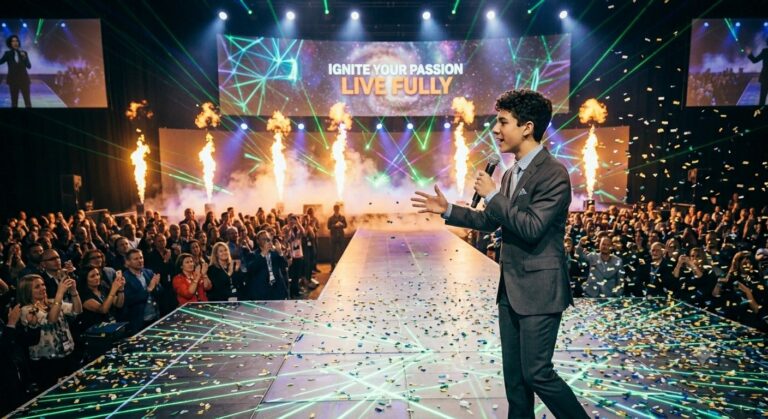
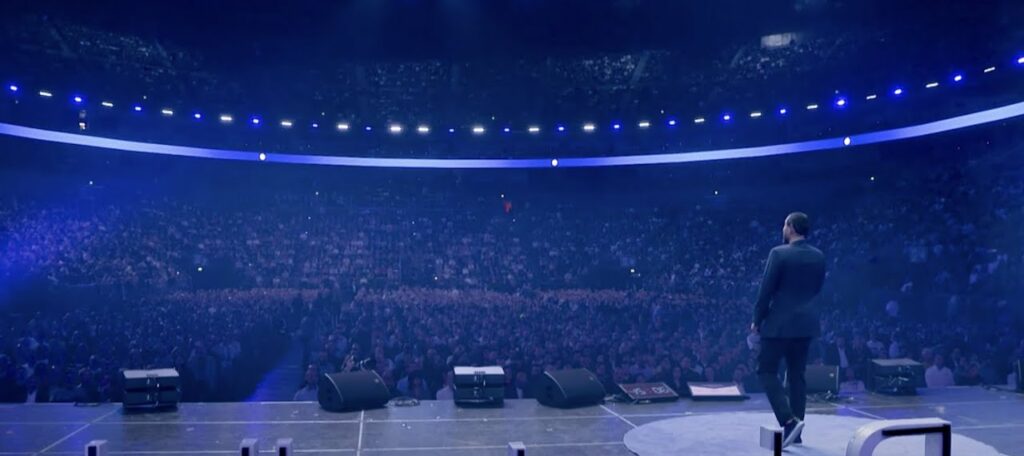
A cavernous ballroom with a stage at one end demands performance. A circle of twenty chairs in a smaller space invites candor. A long dinner with the same group at a private home produces a different conversation than a hotel reception. None of this is accidental, and none of it is decoration.
Lighting, ceiling height, acoustics, the path from the door to the seat, whether phones are visible or not, whether food is served or grazed, whether there is a stage or no stage, all of these prime cognition. They tell the people in the room what kind of conversation they are about to have before anyone says a word.
Choose the atmosphere based on the conversation you actually want, not the one that makes the event look impressive in photos. The most innovative rooms often look the least produced.
Permission is built, not implied
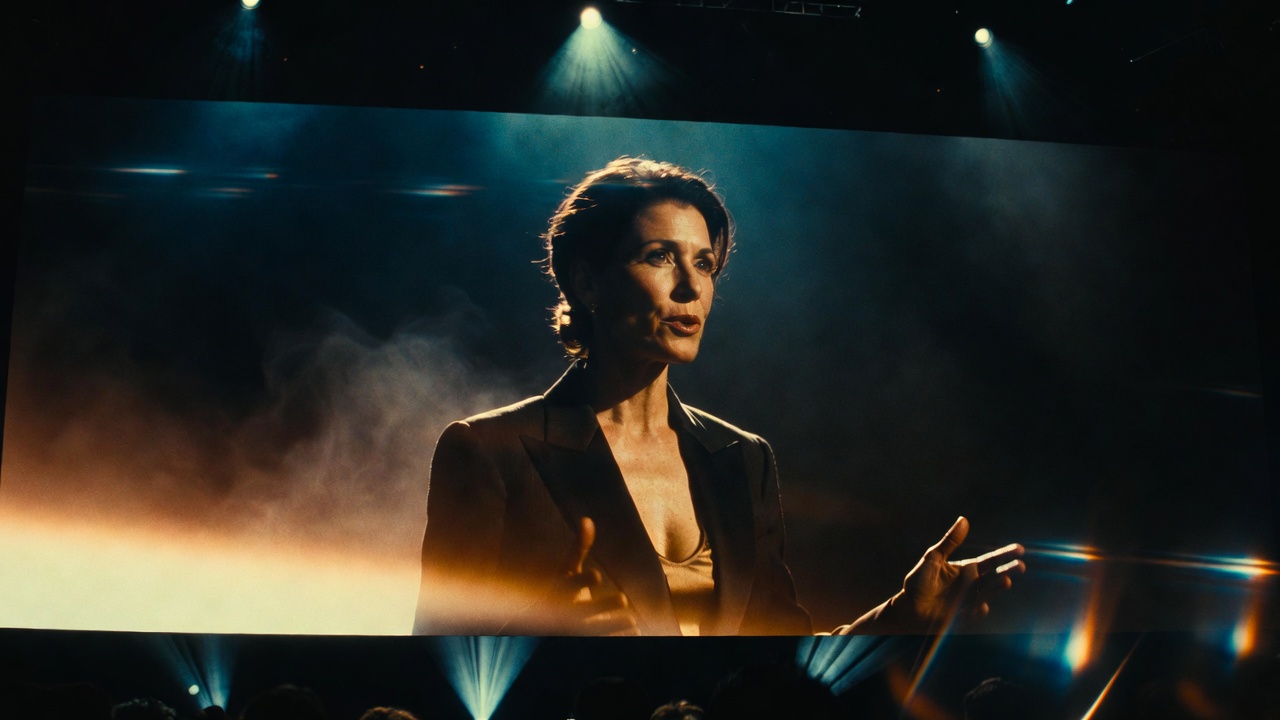
The third condition is the hardest to engineer and the most important. Without explicit permission structures, executives default to broadcast mode, pitching, performing, protecting the brand. The room produces nothing.
The most effective hosts build permission deliberately. Chatham House Rule, named at the top and respected. No decks, no slides, no panels with five chairs. Phones in a basket at the door. A short, clear ask of every person: you are here to think out loud with peers, not represent your company. A facilitator who is willing to interrupt the highest-status voice in the room when the conversation drifts back to performance.
Permission is a small, repeated set of choices that signal to everyone present that this room is different. When that signal is consistent, executives drop the armor faster than most hosts believe possible. When it is inconsistent, even one moment of pitching from the front of the room collapses the trust the entire event was built on.
A simple discipline before the next event
Before booking the next venue, signing the next sponsor, or confirming the next keynote, write down the single decision, insight, or relationship you want this room to produce.
Then design every other choice, the guest list, the format, the room shape, the time of day, the rules of engagement, backwards from that one outcome. If the choice does not serve the outcome, cut it. If it does, invest in it.
Most events are designed forward from logistics. The rooms that change things are designed backwards from impact.
That is the discipline. That is the difference.
At TCAA, we work with the leaders at the top who expect nothing less than the power of the right room.