
What CEOs actually want from events
Pillar: Strategic Thinking
If you ask a CEO what they want out of attending an event, the answers tend to be short and unsentimental. Useful conversations. Three or four ideas they had not heard before. Two relationships that will matter in the next eighteen months. A reason to remember the event existed.
If you ask the team designing the event for the same CEO, the answers tend to be long. Network, learn, engage, get inspired, build community, share insights. The language is broader, softer, and more difficult to deliver against.
That gap between what decision-makers want and what events are designed to provide is most of why senior attendance is harder to win each year. The good news is that the fix is mostly about discipline, not budget.
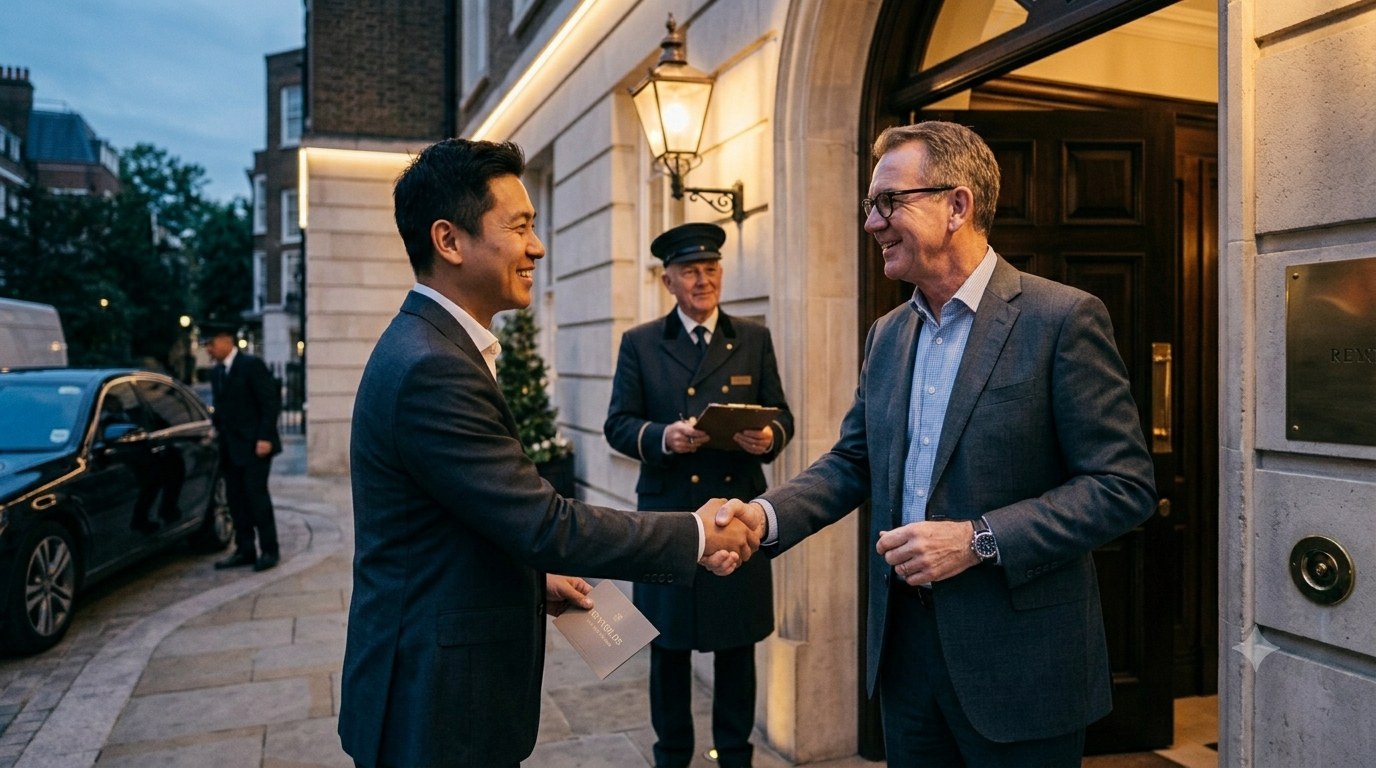
CEOs are short on time before they are short on ideas
A senior executive’s scarcest resource is concentrated time. The price of attending a multi-day event is not the ticket. It is the calendar block. Any event that wastes that block, with travel friction, slow registration, generic programming, predictable panels, will lose them next year.
Designing for decision-makers means treating their time the way a private aviation operator does. Easy in. Easy out. Maximum density of value per hour they are present.
What CEOs want, in their own words
- A reason to be in the room with these specific peers, today.
- Three or four ideas they have not encountered before.
- Two relationships that will matter eighteen months from now.
- No surprises in logistics, friction, or programming.
- A clean way to opt out of the parts that are not for them.
Peer composition is the value
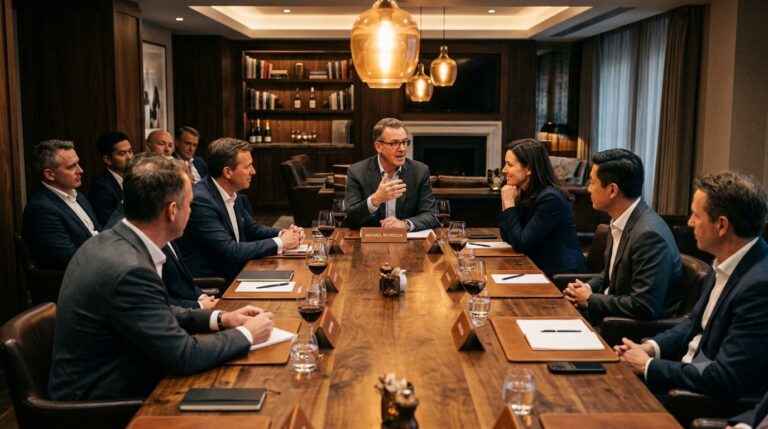
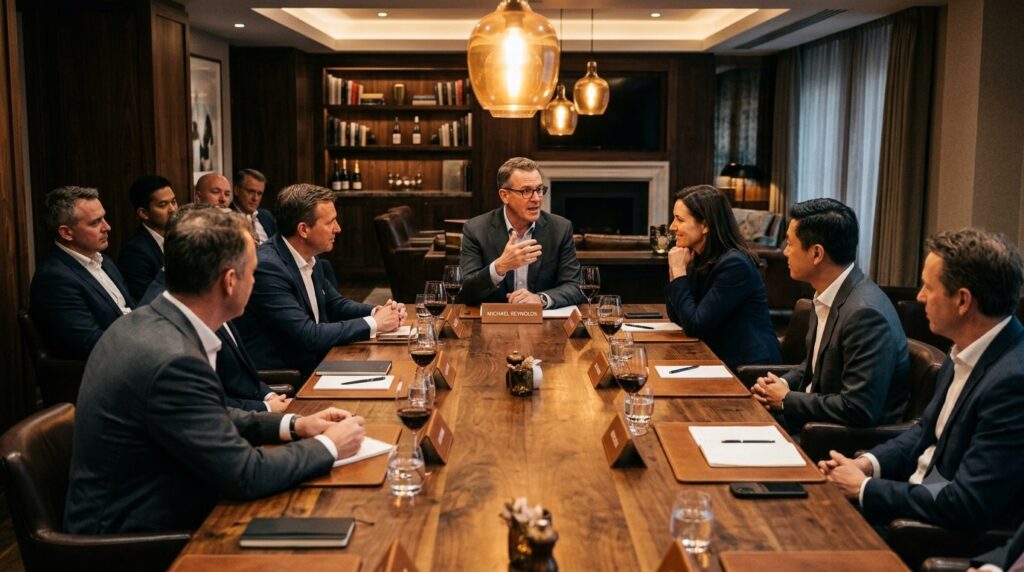
A CEO will not travel for content. A CEO will travel for who else is in the room. The room is the value, and a host who treats the guest list as the most important deliverable will attract a different caliber of attendance than one who treats it as a filling exercise.
This is hard work and it is unglamorous. Curating a room means turning down sponsorship dollars, declining attendees who would dilute the conversation, and explaining to your own team why a smaller room is sometimes the harder room to build. It is also why the rooms that get built well stay full year after year.
Quality of question, not quality of speaker
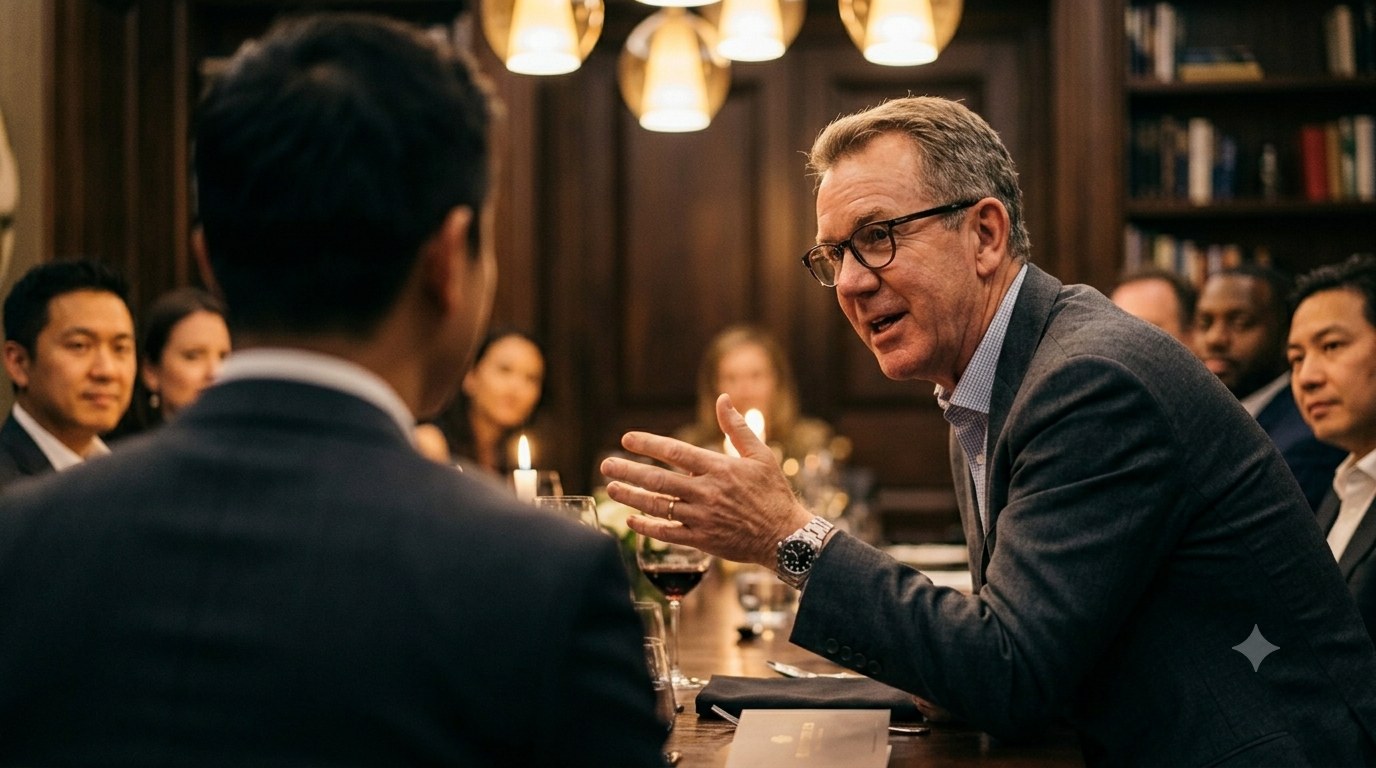
CEOs do not need another famous voice. They need to sit in a conversation with their peers around a question they have not been able to answer in their own organization.
The format that produces this is rarely a panel. It is a small, well-facilitated, off the record conversation around a question that genuinely matters to the people in the room. When that gets done well, every other format pales next to it.
A CEO will not travel for content. A CEO will travel for who else is in the room.
Designing the day around them
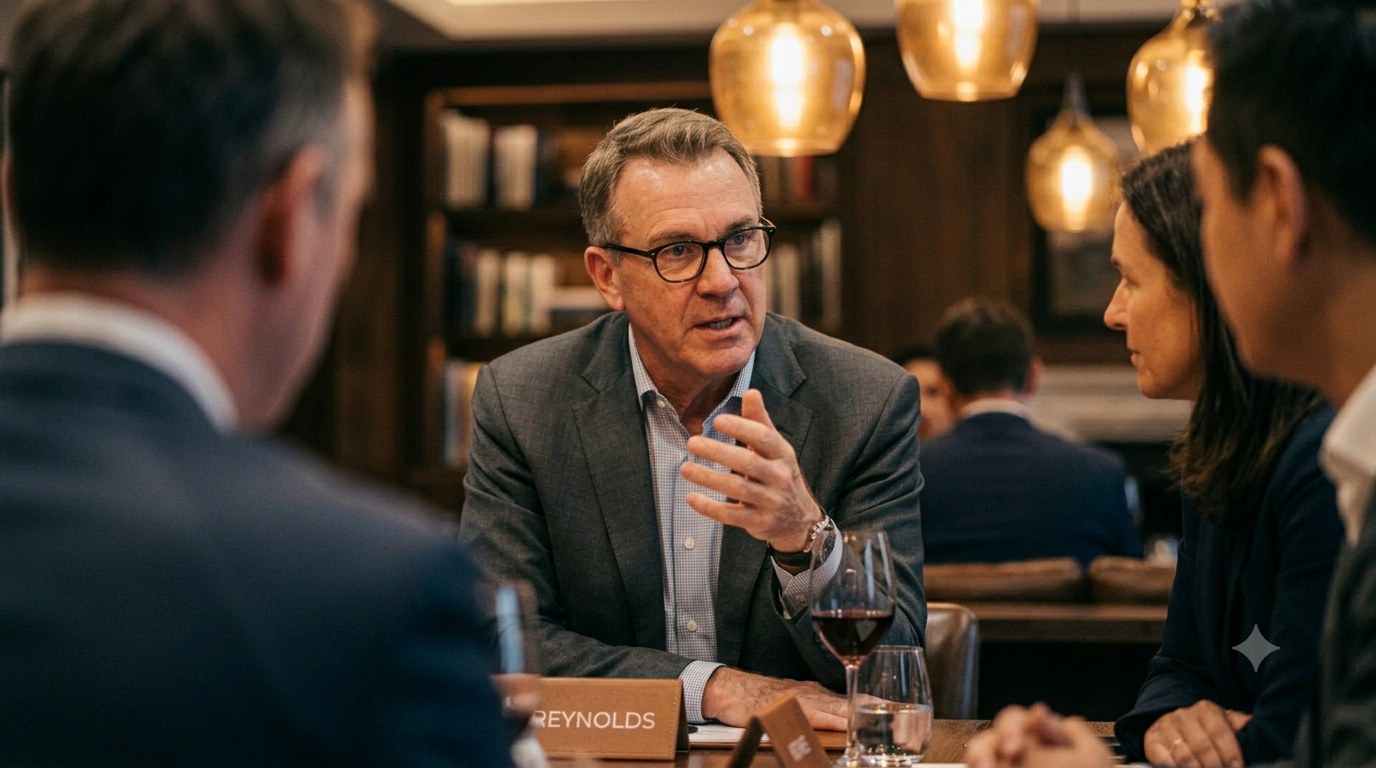
A CEO’s ideal event day looks different from an attendee’s. The schedule has more breathing room. The opt-out paths are easier. The programming is denser per minute on stage and lighter on filler.
- Fewer scheduled blocks. More white space.
- Quieter rooms. Better acoustics.
- Real food, not banquet food.
- Optional rather than mandatory programming.
- A clear way to opt out of the parts that are not for them without insulting the host.
The events that earn senior attendance
The events that earn senior attendance year after year understand this and design the day for the person they are trying to attract, not for the person they wish would attend. The result is fewer people in the room, and exactly the people who matter.
When that math works, the event compounds. Each year’s alumni become the next year’s referral source. The room gets stronger, not bigger. Sponsors notice. The CFO notices. The work is harder up front and substantially easier from year three onward.
Related in this series: for why curation produces these returns, see The ROI of Experience. For the conditions that make the room itself worth their time, see The Power of the Right Room.
At TCAA, we work with the leaders at the top who expect nothing less than the power of the right room.