
Pillar: Strategic Thinking
For most of the modern conference era, events were built by event planners. They handled venues, vendors, AV, food, transportation, and run of show. The job was logistics. The measure of success was that nothing went visibly wrong.
That role is being replaced. Quietly at first, and now everywhere you look at the events that actually move markets and reputations.
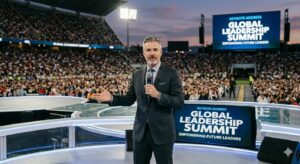
The replacement is the event architect. The same way a building architect is responsible not for laying bricks but for what the space is for, who moves through it, and how it makes people feel, the event architect is responsible for the design intent of an experience. Not the floor plan. The outcome the floor plan exists to produce.
Planner versus architect: the shift in one paragraph
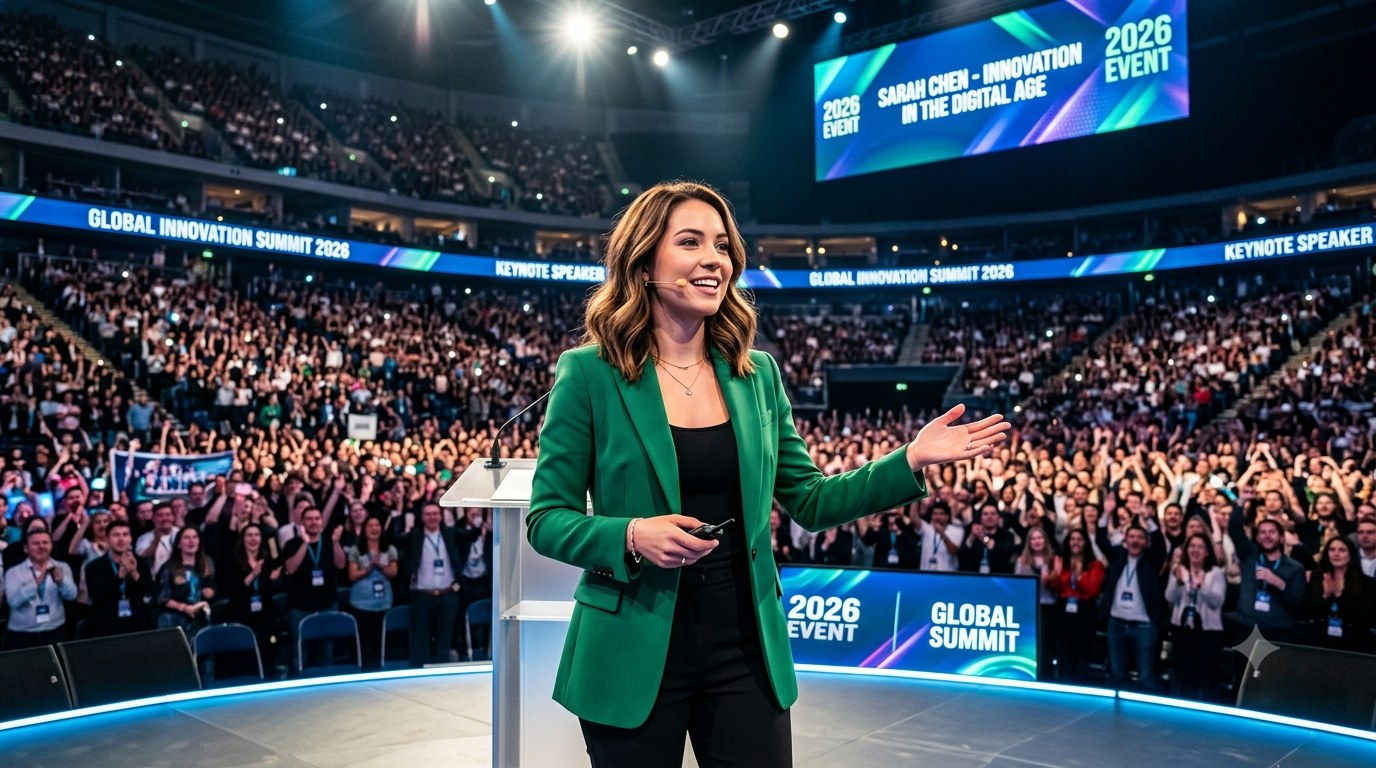
A planner asks what is on the agenda. An architect asks what should be different in the room when the agenda ends. A planner books a keynote. An architect decides whether a keynote is even the right form for what the audience needs in that hour. The same questions, taken seriously, produce wildly different events.
This is a shift from execution to design, and from output to outcome. The architect is not a better planner. The architect is a different role entirely, sitting one level closer to the host’s strategy than the operations of the day.
Why this matters now
Audiences have changed. Executives have access to better content on a phone than most conferences put on stage. They show up to events for what only a room can produce: signal, access, partnership, the conversation in the hallway after the panel. When the design of the room does not produce those things, attendance erodes and the event quietly dies.
The brands and hosts that are growing are the ones who realized that an event without design intent is an event that no longer competes. So they are hiring or developing architects, people who can hold the why and the what before anyone gets to the how.
What an architect actually does
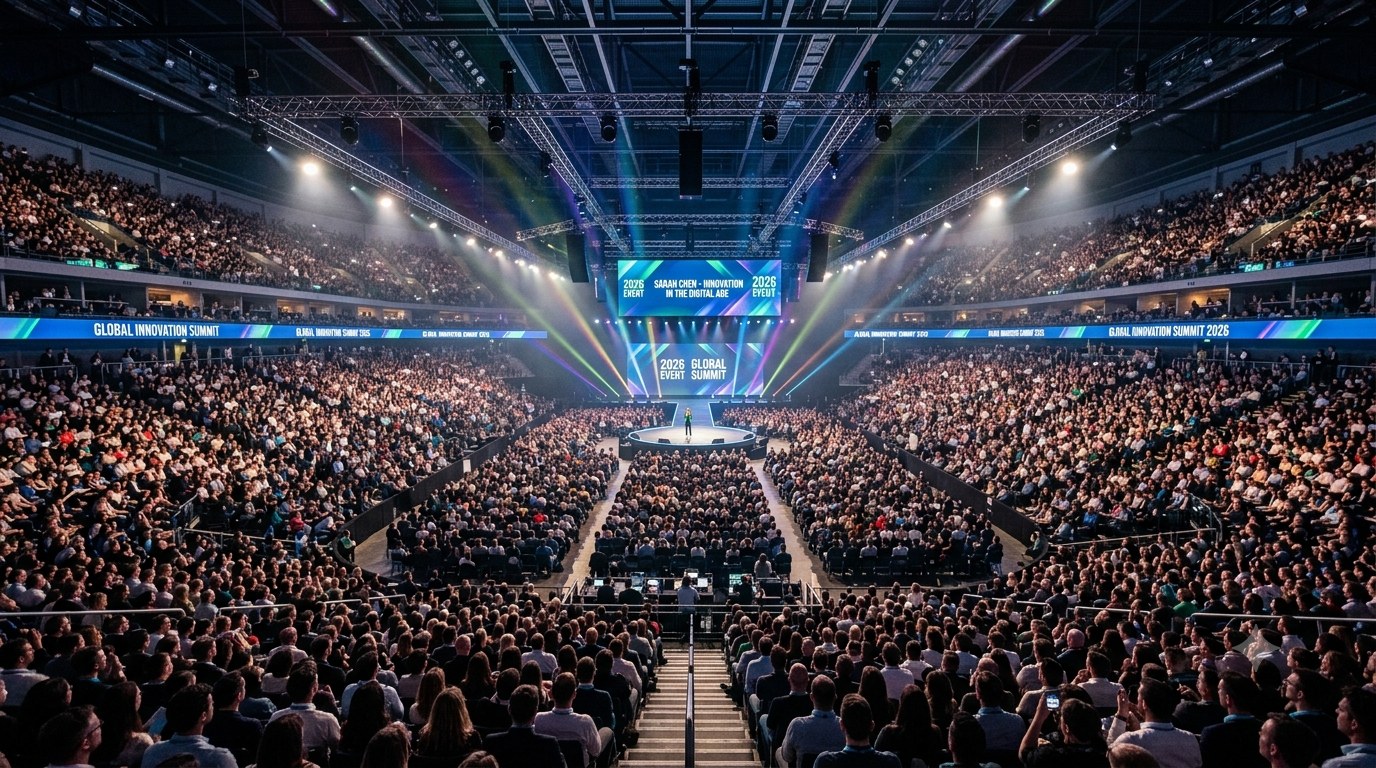
The work begins long before the venue is booked. An event architect spends time on the question of who this event is really for, what they need from being in the room together, and what evidence will prove that the event delivered. Only then do they begin to shape format, programming, and design choices that ladder back to that intent.
They make hard cuts. They will remove a panel that does not serve the outcome. They will say no to a sponsor whose presence dilutes the audience. They will redesign an opening that audiences have come to expect because they understand that comfort and impact are often in tension.
Most importantly, they hold the experience as a single arc, not a collection of moments. Arrival, opening, programming, transitions, meals, evening, departure, follow-through. Every piece is a deliberate beat in a story the audience is moving through.
Where this is going
Inside the next five years, the best event organizations will look more like creative studios than logistics teams. They will have architects, producers, and operators in clear roles, the way film sets do. The planner will not disappear. The planner will be supported by a layer of design thinking they did not previously have permission to do.
For the brands and hosts hiring this work, the lesson is simple. Stop briefing your event team on logistics first. Brief them on outcomes. Then ask who on the team is qualified to design backwards from there. If no one is, that is the gap you are looking at.
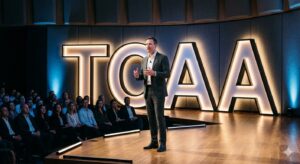
At TCAA, we work with the leaders at the top who expect nothing less than the power of the right room.