
Why most agendas fail, and how to design for impact
Pillar: Industry Insight
Pull up the agenda for any large industry conference and you will find some version of the same shape. Three keynotes, two fireside chats, six panels, a sponsored lunch, a workshop track, a networking reception. The names change. The shape does not.
There is a reason. The shape is safe. It is what attendees expect, what sponsors recognize, and what the operations team knows how to deliver. It is also why most agendas fail to produce anything memorable.
Programming that commands attention starts with a simple admission: the standard shape was optimized for filling time, not for generating impact. If you want a different result, you have to design the agenda differently from the first hour up.
The five-panel problem
The panel is the most over-used and least effective format in modern conference programming. Five people on a stage means five careful answers, no real disagreement, and a moderator working hard to fill time. The audience leaves having heard nothing they could not have read in a thread.
The format persists because it is easy to book. Five names look good on a marketing email. The cost of replacing one panel with one prepared ten-minute talk by a single voice with a real point of view is rarely paid, and the audience pays for it instead.
Three formats that beat the panel
- A single sharp ten-minute talk by one person willing to be specific and slightly wrong.
- An off-record fireside between two operators who actually disagree, moderated by someone with a real opinion.
- A facilitated peer conversation around one question, with no stage and no slides.
Programming as architecture
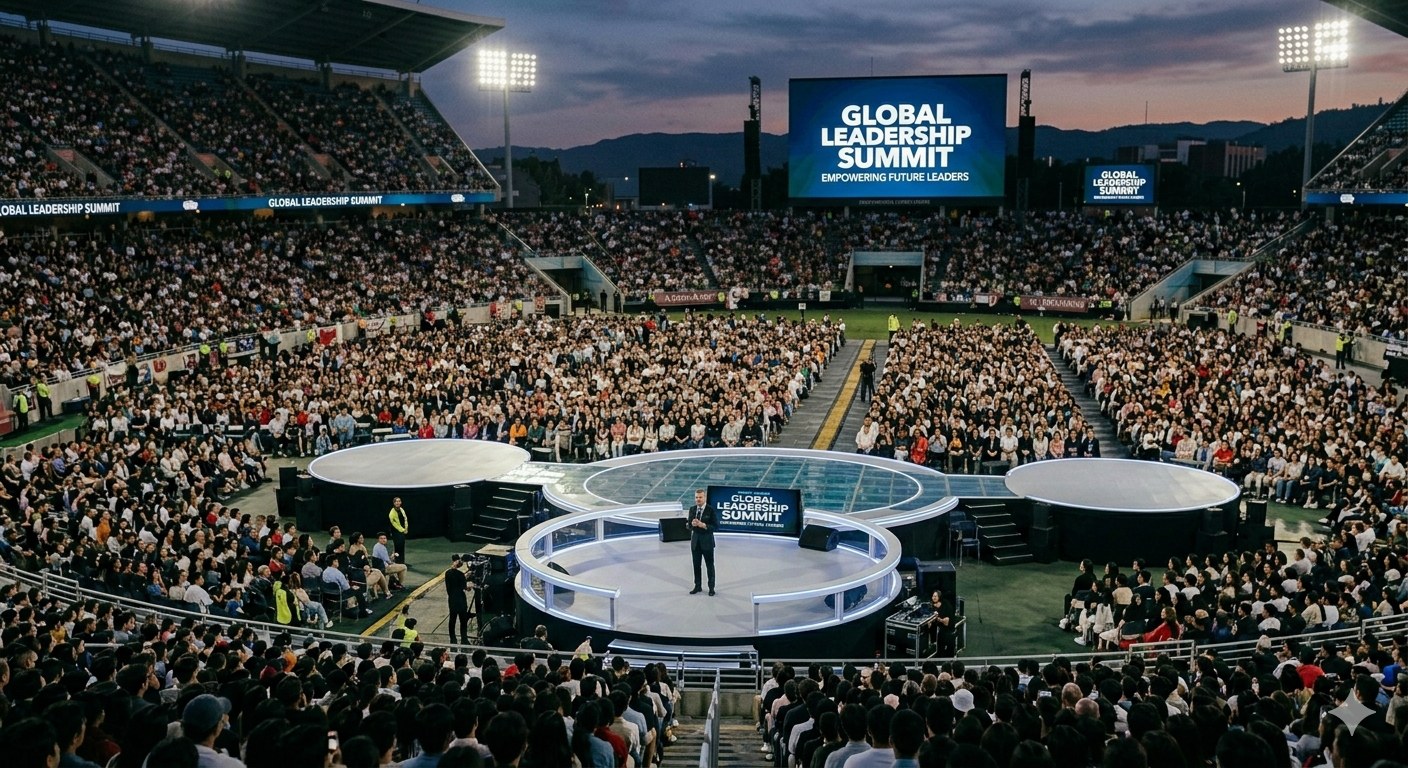
Strong programming has a shape. There is an opening that frames the stakes. There is a peak the agenda is building toward. There is a clear transition from broadcast to participation, from listening to engaging. There is a closing that consolidates the experience and gives the audience a way to act on what they heard.
You can feel this shape when you are inside an event that has it. The energy moves. The room knows where it is in the day. The transitions feel intentional rather than improvised. Compare that to the agenda that runs as a flat list of sessions, and the difference is impossible to miss.
Earning the audience’s attention
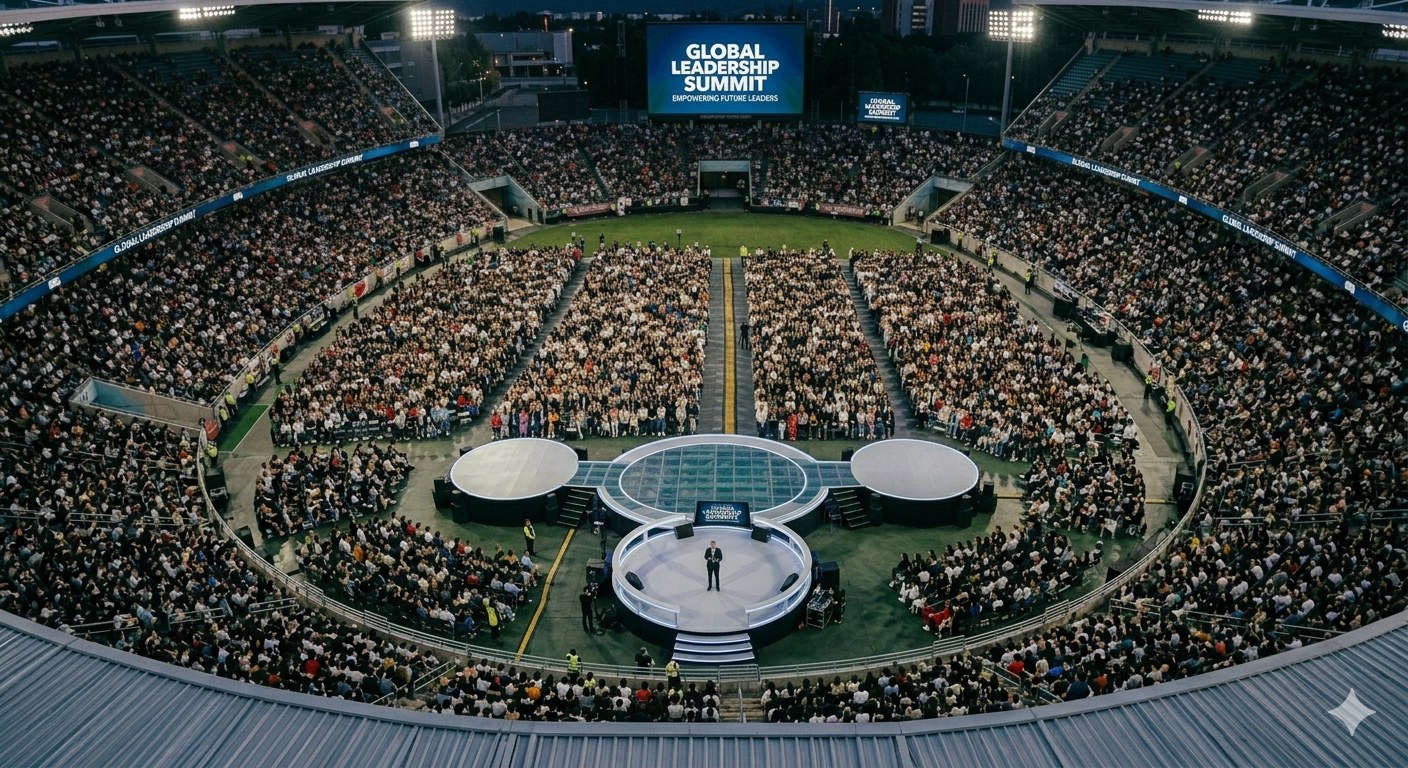
Audiences in 2026 are paying attention to events at the same time they are paying attention to a phone. The competition is not the other conference down the street. It is the open laptop in the back row.
Programming has to be designed assuming that attention is the rarest resource in the room. That means shorter sessions, fewer of them, more silence between them, and a higher bar for what gets stage time. It means cutting the safe sponsored slot when the energy is wrong. It means building moments that demand to be experienced live, in a room, with these specific people, today, because tomorrow on a recording will not be the same.
The competition for an executive’s attention is not the other conference down the street. It is the open laptop in the back row.

A better starting question
Before designing the next agenda, write down a sentence that begins: the audience will leave able to do, decide, or believe…
Then design every block of the day to deliver against that one sentence. Cut anything that does not. Add only what serves it.
- Define the single behavior change you want the audience to walk out with.
- Sketch the energy arc of the day before any session is booked.
- Allocate stage time only to formats that earn it against the outcome.
- Protect white space between sessions; it is where the value compounds.
- End with a moment that consolidates what the day produced, not a thank-you slide.
Why this is hard
Most agendas fail because they answer the wrong question. They answer “what should we put on stage” before answering “what should this experience produce.” Get the order right and the programming gets sharper, faster, and more memorable.
It is also hard because cutting feels risky. Removing a sponsored slot, a famous name, or a comfortable format generates short-term friction with stakeholders who like the way things have always been. The hosts who do it anyway are the ones whose audiences come back.
Up next in this series: for the strategic frame this fits inside, see The Rise of the Event Architect. For why this discipline pays off, see The ROI of Experience.
At TCAA, we work with the leaders at the top who expect nothing less than the power of the right room.